
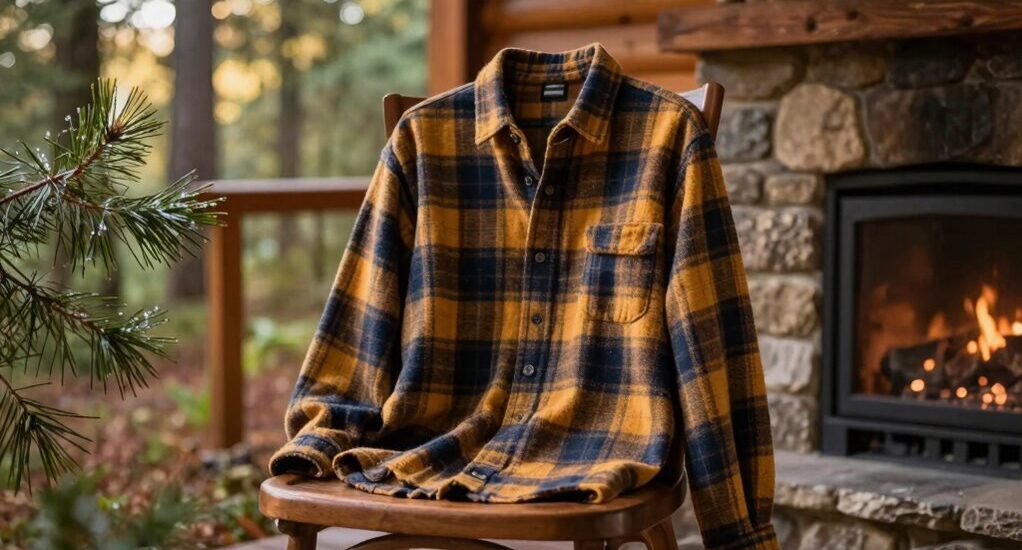
The 2026 best choice is the Columbia Mens Bearmouth Springs Roll Up Long Sleeve Flannel Shirt, a versatile, medium-weight option you can wear daily. It features 6–8 oz cotton flannel, built-in stretch, a classic plaid print, and roll-up sleeves for adjustable coverage. It’s a regular-fit shirt that layers easily over tees and under jackets, with durable stitching and easy care. Priced around $30–$70, it balances comfort and value, and you’ll get practical details if you keep exploring.
| Columbia Mens Bearmouth Springs Roll Up Long Sleeve Flannel Shirt |  | Best Overall | Material: Soft cotton flannel with built-in stretch | Fit: Classic fit | Sleeve: Long sleeve | VIEW LATEST PRICE | See Our Detailed Review |
More Details on Our Top Picks
Columbia Mens Bearmouth Springs Roll Up Long Sleeve Flannel Shirt
The Columbia Mens Bearmouth Springs Roll Up Long Sleeve Flannel Shirt stands out as a versatile option for the 2026 best flannel, especially if you want a reliable, comfortable layer that adapts to different settings. You get soft cotton flannel with built-in stretch for comfort and flexibility, a classic fit, and several plaid prints to choose from. It transitions easily from dinner to day job to outdoor activities, and is offered in multiple colors and sizes. It suits fall, winter, and beyond, with practical features you’ll value, like roll-up sleeves for adjustable coverage. Priced accessibly, it remains a practical daily pick.
- Material:Soft cotton flannel with built-in stretch
- Fit:Classic fit
- Sleeve:Long sleeve
- Pattern:Plaid prints
- Use/Occasion:Everyday versatility (from dinner to day job to outdoor activity)
- Availability:Multiple colors and sizes
- Additional Feature:Built-in stretch comfort
- Additional Feature:Roll-up sleeve design
- Additional Feature:Classic plaid prints
Factors to Consider When Choosing Flannel Shirt
When you’re choosing a flannel, consider Fabric Type Matters, since cotton flannel is soft and breathable while wool blends add warmth, and check for blends like cotton-poly or brushed cotton for easy care. Weigh Weight and Warmth to match the season: lighter 4–5 oz fabrics for fall and 6–8 oz for winter, with a roomy fit if you plan to layer. Look at Fit and Sizing, Pattern and Style, and Construction Quality—try true-to-size, review sleeve length, note reinforced seams, and choose durable buttons or snaps for long-term wear.
Fabric Type Matters
Fabric type directly affects warmth, comfort, and how you’ll move in a flannel shirt, so it matters to pick the right blend for your needs. Cotton is common for softness and breathability, making it a practical everyday choice. A cotton-synthetic blend adds durability and stretch, boosting comfort during active wear and movement. Heavier weight fabrics stay warmer in cold weather, while lighter options work well in fall and spring. The weave matters too: brushed flannel feels softer and warmer, whereas unbrushed is lighter and less insulating. Choose moisture-wicking properties if you plan outdoor activity, as this helps keep you dry and comfortable. Think about climate, activity level, and layering, then pick a fabric that matches those needs.
Weight and Warmth
Weight and warmth go hand in hand when you’re choosing a flannel shirt, so pick the level that fits where you live and how you’ll wear it. Heavier fabrics give more warmth, great for cold climates and winter wear. Lightweight flannels suit transitional seasons or layering, keeping you comfortable without overheating. Fabric thickness, measured in ounces per square yard, signals warmth—the thicker the material, the better the insulation. Some flannels have built-in stretch, boosting comfort without losing warmth, so you move easier during chilly activities. Think about use: hiking wheels you toward lighter, breathable options, while casual winter outings call for heavier, warmer fabrics. In short, match weight to climate, activity, and layering needs for reliable daily comfort.
Fit and Sizing
Fit and sizing matter just as much as fabric weight when you pick a flannel shirt. When you shop, consider fit options from slim to classic to match your body type and intended use. Accurate sizing matters; measure your chest, waist, and sleeve length to find the right size that allows movement and layering. Some shirts include built-in stretch, which helps with comfort during activity and daily wear. Pay attention to the cut: classic fit gives a relaxed silhouette, while tailored fits offer a cleaner line. Brands vary in sizing, so check size charts and read reviews for your measurements. Compare shoulder seam alignment and sleeve length before you buy to avoid ill fits.
Pattern and Style
Pattern and style play a big role in how a flannel shirt looks and works for different days. You’ll find patterns like plaid, which is classic and versatile for many occasions. The color mix matters too: darker hues suit fall and winter, lighter shades fit spring and summer. Styles vary, from button-up to shirts with roll-up sleeves, affecting when you wear them—casual outings or slightly more formal events. Fit options include slim and classic, so you can pick comfort based on body type. Design details like pockets and collar style boost function and personal flair. Consider how a pocket matches your needs, or how a collar works with layering. Overall, pattern, color, and style guide everyday choices.
Construction Quality
When choosing a flannel shirt, you should look for solid construction that lasts, including reinforced seams and sturdy stitching that can handle regular wear and machine washing. Fabric quality matters, with soft cotton and built-in stretch boosting comfort and durability. The weight of the fabric affects warmth and versatility, so pick mid- to heavy-weight options for cold weather and lighter weights for layering. Pay attention to details like fit and plaid pattern design, since those choices influence how the shirt drapes on your body. Proper care instructions and fabric treatment extend longevity, helping the shirt keep its softness and shape. With solid construction, you get a dependable piece you can wear across seasons and occasions.
Comfort Stretch
Comfort stretch in flannel shirts comes from adding a small amount of stretch fabric like spandex or elastane, which lets the shirt bend with you instead of fighting your movements. This helps the fit feel flexible during activities, from walking to layering. Look for blends that include cotton with a touch of stretch, which can still stay soft and breathable for different weather. A higher stretch percentage usually means better mobility, but it may affect price and thickness. Expect comfort grades around 2–5% stretch in many options, with tougher outdoor shirts offering up to 8%. The result is less sagging after washes and a shape that returns after wear. Compare brands by fabric percentages, care labels, and price to match your daily routine.
Care and Longevity
Care and longevity matter when you’re choosing a flannel shirt.
To keep it in good shape, follow the care label: wash in cold water and avoid bleach to protect fibers.
Air-dry or tumble-dry on low heat so the fabric doesn’t shrink and keeps its softness.
Check seams and fabric regularly for wear; repairing small frays early helps avoid bigger damage.
Store shirts in a cool, dry place, away from strong sunlight, to prevent fading and fiber breakdown.
Wash with similar fabrics and avoid mixing with rough textures like denim to reduce pilling and preserve texture.
These practices extend life, maintain fit, and keep colors steadier, so you get more value from your investment.
Versatility Use Cases
Versatility comes down to practical details you can feel in daily wear. A versatile flannel shirt can shift from casual outdoor activities to a formal dinner setting, making it a smart wardrobe addition. The classic fit allows easy layering over tees or under jackets, helping you adapt to cooler weather. Many flannels offer a range of plaid prints, giving style options for relaxed gatherings or professional environments. The soft cotton often includes built-in stretch, so you stay comfortable at work or during off hours. Flannel is designed for seasonal wear, suits fall and winter, yet works for spring layering too. Look for fabrics labeled medium-weight, 6–8 oz, and check prices around $30–$70 for good value.
Frequently Asked Questions
How Does Flannel Weight Affect Warmth and Comfort?
Flannel weight affects warmth and comfort by balance. Lighter flannel (around 4–6 oz) feels breathable, ideal for layering, and keeps you from overheating. Midweight (about 6–8 oz) offers solid warmth for cool days without bulk. Heavier options (8 oz plus) trap more heat, plus feel stiffer until broken in. Look for brushed fabric for softness, double-stitched seams for durability, and a relaxed fit that lets you wear undershirts. Prices range $25–$60 depending on brand and features.
Are There Eco-Friendly Flannel Options Available?
Yes, there are eco-friendly flannel options available. Look for shirts made from organic cotton, recycled fibers, or sustainably sourced wool blends. Many brands offer GOTS-certified or OEKO-TEX certified fabrics, with water-saving dye methods and recycled packaging. Common features include 2–3 ounce brushed fabrics, 100% cotton or cotton-poly blends, snap or button closures, and price ranges around $25–$60. Check product labels for certifications, fiber content, and wash care, so you compare effectively.
Which Fits Are Best for Layering With Jackets?
You’ll want fits that layer smoothly under jackets, like classic regular or slim cuts with a bit of stretch. Look for a 100% cotton flannel or a cotton-poly blend under 1 inch in a size up for easy layering. Prefer sizes labeled “tall” if you’re long-armed. Choose lighter weights (5–6 oz) for spring, or 7–8 oz for winter, and avoid bulky pockets. Expect prices around $25–$60, depending on brand and fabric.
How Should I Care for Brushed Flannel Fabrics?
Brush your brushed flannel with care to keep softness and color. Wash in cold water on a gentle cycle, use a mild detergent, and avoid chlorine bleach. Turn shirts inside out, and air dry or tumble dry on low heat to prevent pilling. Iron on low if needed, but best to press with a damp cloth. Store folded, not wrinkled, and avoid over-washing to extend fleece-like feel and fit. Inspect care labels for any fabric-specific tips.
Do Antimicrobial Treatments Matter in Flannel Shirts?
Antimicrobial treatments in flannel shirts matter, but not in every case. They help reduce odor and control bacteria with long-lasting finishes, yet performance varies by fabric weight and washing routine. Look for treatments that are durable, not easily worn off after several washes. Expect small fabric content like 3–6% silver or zinc compounds, and check care labels; some treatments fade with sun exposure or detergents. If you sweat heavily, they can be helpful, otherwise optional.
Wrapping It Up
You’ll want a flannel that’s practical and durable, and this guide helps you pick one. The Columbia Bearmouth Springs rolls up sleeves, gauges warmth, and offers a comfortable fit with a midweight feel, around 6–7 oz, ideal for cool weather. Consider fabric type, weave, and care, plus size options from S to XXL. Look for double-stitch seams, reinforced cuffs, and a brushed finish for softness. At around $40–$60, it balances price and performance for everyday wear.