
Here are four solid cloud storage options for 2026 that balance cost, capacity, security, and usability: Adobe Creative Cloud Pro for students and teachers, ASUSTOR Lockerstor 2 Gen2 NAS (diskless) for fast on‑site storage, a 4‑bay QNAP NAS bundled with 12TB RAID 5 for bigger archives, and the YI/Kami Cloud Plan offering 3 months with one camera (CVR) for surveillance needs. Each option targets different needs and budgets, with clear features and pricing; more details await.
| Adobe Creative Cloud Pro STE – Student/Teacher Edition | 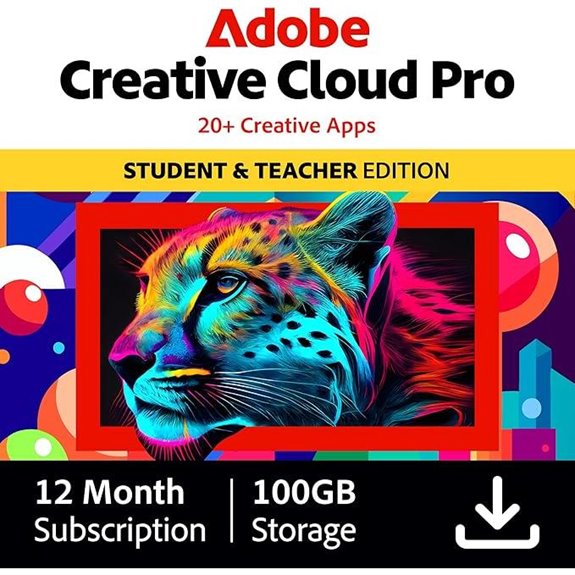 | Best Student Discount | Type: Creative software suite subscription | Storage Type: Cloud-based | Data Protection: AI-assisted security/creativity tools via cloud | VIEW LATEST PRICE | See Our Detailed Review |
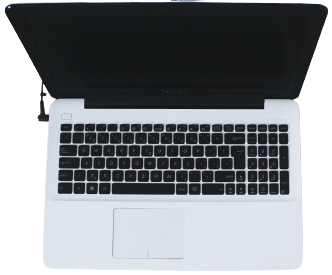
| ASUSTOR Lockerstor 2 Gen2 NAS (Diskless) |  | High-Performance NAS | Type: NAS storage device (diskless) | Storage Type: Local NAS (diskless) | Data Protection: RAID-like protection via NAS configuration (not specified) | VIEW LATEST PRICE | See Our Detailed Review |
| QNAP 4-Bay NAS with 12TB RAID 5 Bundle | 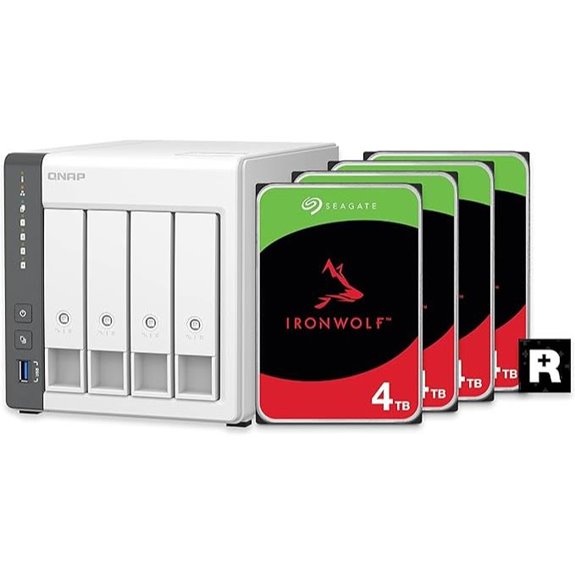 | All-in-One Home NAS | Type: NAS storage device with drives | Storage Type: Local NAS with drives | Data Protection: RAID 5 configured storage | VIEW LATEST PRICE | See Our Detailed Review |
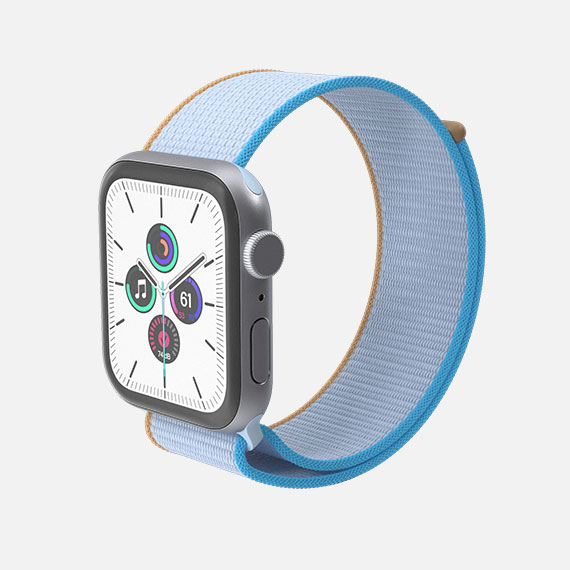
| YI/Kami Cloud Plan: 3 Months 1 Camera (CVR) |  | Flexible Cloud Security | Type: Cloud security/camera storage plan | Storage Type: Cloud-based | Data Protection: CVR with encryption | VIEW LATEST PRICE | See Our Detailed Review |
More Details on Our Top Picks
Adobe Creative Cloud Pro STE – Student/Teacher Edition
Adobe Creative Cloud Pro STE – Student/Teacher Edition is a solid fit if you’re a student or educator needing full creative power at a steep discount. This 12-month subscription delivers over 60% off with 20+ apps like Photoshop, Illustrator, Premiere Pro, Acrobat Pro, and Firefly AI. You get templates, GenAI features, and the ability to create from scratch, plus tools for headshots, YouTube videos, and logo design. Perks include tutorials, templates, fonts, and a creativity community, plus 4,000 monthly generative credits for premium AI video and audio. Existing subscribers must finish term before linking to the new subscription.
- Type:Creative software suite subscription
- Storage Type:Cloud-based
- Data Protection:AI-assisted security/creativity tools via cloud
- Connectivity:Internet subscription (cloud access)
- Target Audience:Students/Teachers
- Trial/Return/Warranty:12-month subscription (renewal terms)
- Additional Feature:Templates and tutorials included
- Additional Feature:4,000 monthly generative credits
- Additional Feature:Unlimited standard AI image/vector features
ASUSTOR Lockerstor 2 Gen2 NAS (Diskless)
The ASUSTOR Lockerstor 2 Gen2 NAS (Diskless) is a solid pick for cloud storage plans in 2026, thanks to its dual 2.5GbE ports with Link Aggregation and a flexible PCIe slot for adding M.2 SSDs. You get a 2-bay NAS with quad-core Intel Celeron N5105, 4GB RAM (expandable to 16GB), and four M.2 NVMe slots. It supports up to 5 Gbps under Link Aggregation and delivers better performance than earlier models. It’s diskless, so you add drives yourself, and includes standard warranty options with a 30-day return policy under certain conditions. Practical, scalable, and user-friendly for home or small office use.
- Type:NAS storage device (diskless)
- Storage Type:Local NAS (diskless)
- Data Protection:RAID-like protection via NAS configuration (not specified)
- Connectivity:Network access (LAN/WAN via NAS)
- Target Audience:General NAS users (home/SMB)
- Trial/Return/Warranty:30-day return policy
- Additional Feature:4x M.2 NVMe slots
- Additional Feature:Dual 2.5GbE with Link Aggregation
- Additional Feature:Expandable memory up to 16GB
QNAP 4-Bay NAS with 12TB RAID 5 Bundle
This 4-Bay NAS bundle is a solid pick for households that want a budget-friendly, central storage hub with solid data protection, thanks to its pre-configured RAID 5 setup. The QNAP 4 Bay NAS (TS-433-4G-44ST-US) includes 12TB total, four 4TB Seagate IronWolf drives, and a quad-core ARM Cortex-A55 at 2.0GHz with 4 GB RAM. It supports 2.5GbE for faster work and streaming, plus snapshot tech to guard against ransomware. It backs up Windows with NetBak Replicator, Mac with Time Machine, and enables secure access via MyQNAPCloud. Dimensions are 8.62 x 6.3 x 8.62 inches, weight 11.13 lb.
- Type:NAS storage device with drives
- Storage Type:Local NAS with drives
- Data Protection:RAID 5 configured storage
- Connectivity:Network access (LAN/WAN via NAS)
- Target Audience:Home/Family users
- Trial/Return/Warranty:30-day return policy; 3-year data recovery option
- Additional Feature:12TB pre-installed drives
- Additional Feature:RAID 5 data protection
- Additional Feature:Includes Rescue Data Recovery Services
YI/Kami Cloud Plan: 3 Months 1 Camera (CVR)
YI/Kami Cloud Plan is a solid option if you want affordable, straightforward CVR storage for a single camera over three months, with no fuss about add-ons. This plan covers 3 months of Continuous Video Recording for one camera, with solid coverage and zero cooldown periods so you get alerts any time, all day. Data remains protected by financial-grade encryption, and only account holders can access footage. There are no hidden fees, and you pay only for the service you need. It supports up to five cameras under one Standard Plan, including all YI Home and Kami Home models.
- Type:Cloud security/camera storage plan
- Storage Type:Cloud-based
- Data Protection:CVR with encryption
- Connectivity:Cloud access via internet
- Target Audience:Home security camera users
- Trial/Return/Warranty:3-month subscription term
- Additional Feature:Continuous Video Recording (CVR)
- Additional Feature:Multi-camera support up to five
- Additional Feature:Zero cooldown 24/7 protection
Factors to Consider When Choosing Cloud Storage Plan
When choosing a cloud storage plan, weigh cost vs value by noting monthly fees, annual discounts, and any setup charges, so you know what you’re really getting for your money. Consider your storage capacity needs, measured in GB or TB, and pick a plan that fits current files plus a comfortable growth buffer. Look at access, security, redundancy, and performance—encryption options, multi-factor authentication, regional data centers, automatic backups, and speed benchmarks—to ensure reliable access and protection without paying for features you won’t use.
Cost Vs Value
Choosing a cloud storage plan means weighing cost against value, so you get the most practical features for the price. When you compare plans, look at storage amount, access speed, and security measures to see if you’re getting real value for your investment. A cheaper option might save money now, but it could lack data recovery, customer support, or advanced security, costing you more later. Favor plans with transparent pricing and no hidden fees, since hidden costs hurt usability over time. Check scalability to avoid big future costs as your needs grow. Also consider performance and reliability, because slower speeds or more downtime cut your productivity. Balance price with features to match your needs and budget.
Storage Capacity Needs
Storage capacity needs come down to what you actually store and how you use it. To start, assess your current and future storage by totaling files you plan to save, including documents, photos, videos, and backups. Think about how many devices will access the cloud, since more devices mean more capacity may be needed for shared files. Evaluate how often you upload and download data; higher activity levels can push you toward larger plans to avoid running out. Look for scalable options that let you increase storage as your needs grow. Compare plans to see which offer more space at a reasonable price, and watch for hidden fees if you exceed limits. Choose a plan that fits your expected activity and growth.
Access & Security
Access and security are top priorities when picking a cloud storage plan, because strong protection helps prevent data theft and loss. You should check data encryption, looking for financial-grade, AES-256 or equivalent, to reduce unauthorized access risk. Continuous Video Recording (CVR) services in cloud plans should feature zero cooldown periods, ensuring constant coverage and immediate access to footage without gaps. Multi-camera support helps when you use several devices, enabling centralized access and management while keeping data secure across all cameras. Look for clear, transparent costs with no hidden fees, so future bills stay predictable. Regular audits and security updates by providers maintain data integrity and defend against evolving threats, keeping your information safer over time.
Redundancy & Backups
Redundancy and backups are essential safety nets when you choose a cloud storage plan. You’ll want copies of your data stored in different locations, guarding against hardware failures or disasters. Regular backups are essential to keep data integrity, so you can restore previous file versions after accidental deletion or corruption. Many cloud services use RAID configurations, like RAID 5, to spread parity across multiple drives, boosting both security and performance. Look for continuous backup services that save changes in real time, reducing loss risk. Consider using more than one cloud provider, which adds extra redundancy if one service goes down or faces a breach. Prioritize plans offering clear recovery options, straightforward restore steps, and transparent storage locations.
Performance & Speed
When you’re choosing a cloud storage plan, performance and speed matter as much as capacity. You’ll want fast upload and download speeds, since this affects how quickly you access and transfer files. Look for plans with multi-Gbps performance, which can noticeably boost data transfer rates and efficiency. Evaluate the provider’s infrastructure, including dual-port Ethernet and link aggregation, to optimize speed and reliability. Check for any bandwidth limits or throttling policies, as these can slow you down during peak times. Consider latency as well, since lower latency means faster data access for real-time tasks. Compare plans on real metrics like measured speeds and typical transfer times, and weigh price against performance to find sensible value for your needs.
Device Compatibility
Device compatibility matters because you’ll access your files from many devices, so choose a plan that works with smartphones, tablets, and computers across major platforms. Look for broad device support so you can switch between iOS, Android, Windows, and macOS without hassle. If you use cameras for surveillance, ensure the plan supports multiple camera brands or models, not just one. Check if the service lets you add many devices under one subscription, which helps households or teams save money. Verify integration with the software you already rely on, like file managers, productivity tools, or backup apps, to keep workflows smooth. Confirm security features align with your devices, including encryption and secure access protocols. This matters for dependable, seamless access.
Frequently Asked Questions
How Does Latency Affect Cloud Storage Performance for Editing?
Latency directly affects how fast you can access and edit files in cloud storage. Higher round-trip times cause delays when opening, saving, or syncing edits, especially with large files or projects. Local caching helps, but you still see latency if your internet is slow. Choose providers with low latency, regional edge servers, and fast transfer speeds (300–1000 Mbps or better). Expect noticeable benefits from 20–50 ms latency for smoother editing workflows. Test speeds before committing.
What’s the True Total Cost Beyond Advertised Prices?
The true total cost goes beyond the sticker price, because you’ll face storage, transfer, and retrieval fees, plus possible overage charges and add-ons. Expect monthly or yearly plans to multiply if you exceed included data, transfer bandwidth, or API calls. Look for hidden costs like cold-storage or archival fees, support tiers, and regional pricing. Compare total costs over a year, including taxes and renewal increases, and choose a plan with predictable, scalable fees.
How Secure Is My Data in Shared Public Clouds?
You’re safer than you think, but your data isn’t risk-free in shared public clouds. You’ll rely on encryption in transit and at rest, access controls, and multi-factor authentication, plus provider-s uptime guarantees like 99.9% and regional redundancies. Expect shared responsibility: providers secure infrastructure, you secure keys and permissions. Look for encryption keys managed by you, detailed SLAs, and clear data-residency options; prices vary, often tiered by storage, egress, and features, typically $0.01–$0.03/GB monthly.
Can I Mix Providers for Redundancy and Cost Savings?
Yes, you can mix providers for redundancy and cost savings, but plan carefully. Use multiple services for different needs—one for primary storage, another for backups, and a third for archival. Set up automated syncing, monitor fees, and watch egress costs that can bite you during frequent data transfers. Use standardized APIs, keep metadata consistent, and test restores quarterly. Compare price per TB, consider regional performance, and document your failover procedures for reliability.
Do Monthly Plans Fit Long-Term Data Retention Needs?
Monthly plans can fit long-term data retention, but they may cost more over time than annual commitments. If you keep steady storage like 2–5 TB, monthly fees of $9–$24/mo can work, yet discounts appear with yearly billing. Look for features like version history, lifecycle rules, and data durability of at least 99.9% to 99.99%. Assess your retention needs, upload patterns, and access frequency to decide whether monthly plans meet your goals.
Wrapping It Up
You’ve got solid options for 2026, so pick what fits your needs and budget. If you want seamless creative work, consider a cloud plan with broad app support and strong sync, like Adobe Creative Cloud Pro STE for students. For local control, a NAS such as ASUSTOR Lockerstor 2 Gen2 or QNAP 4-Bay offers ample storage and RAID options. For camera backups, YI/Kami CVR plans provide simple security. Compare prices, capacity, and features to choose wisely.