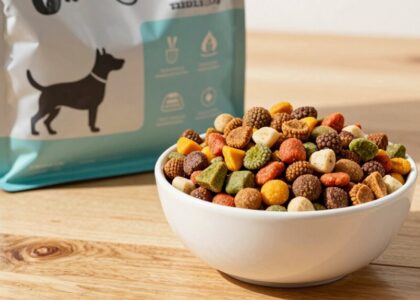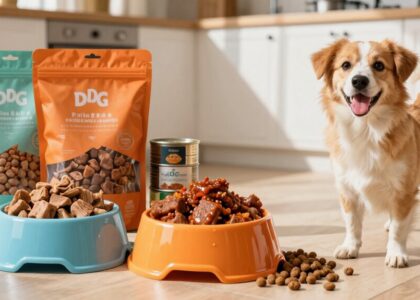

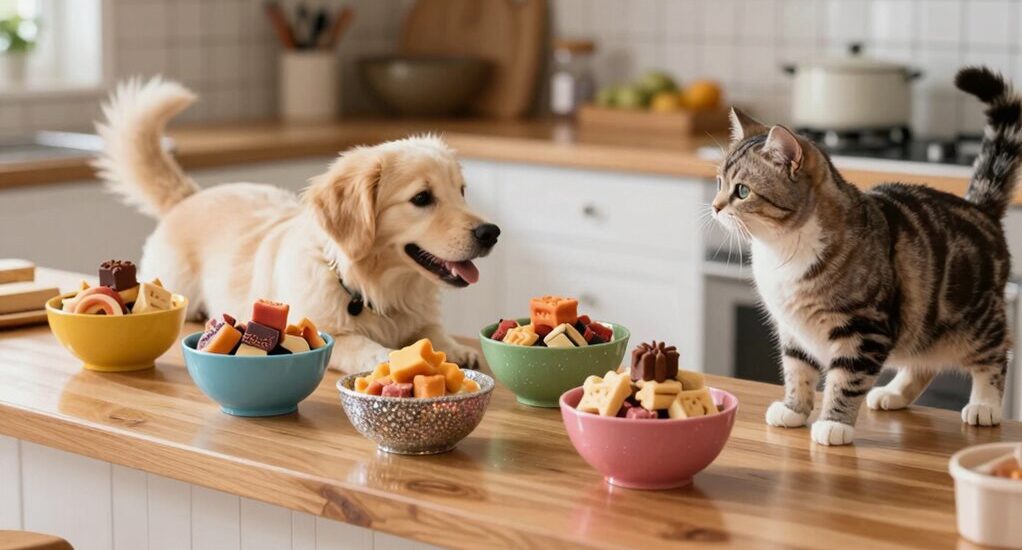
Looking for the 7 best training treats for 2026 you can trust? Consider Buddy Biscuits Training Bites (soft, bacon flavor, 10 oz, about 1.5 calories per treat), Wag Chicken Flavor Training Treats (2 lb bag, chicken, resealable pouch), Zuke’s Mini Naturals Peanut Butter (1 lb, 2 calories each, no corn, wheat, or soy), Blue Buffalo Bits Salmon Training Treats (4 oz, real salmon first ingredient, DHA), Pet Botanics Training Rewards Bacon Flavor (10 oz, ~500 treats, 1.5 calories), Blue Buffalo Bits with DHA, and Blue Buffalo Training Puppy Soft Chicken Treats (4 oz). Each offers soft texture, clear per-piece calories, and allergy-friendly ingredients; you’ll find sizes and prices that fit most training needs. If you want more tips, keep going.
Buddy Biscuits Training Bites: Soft & Chewy Bacon Flavor
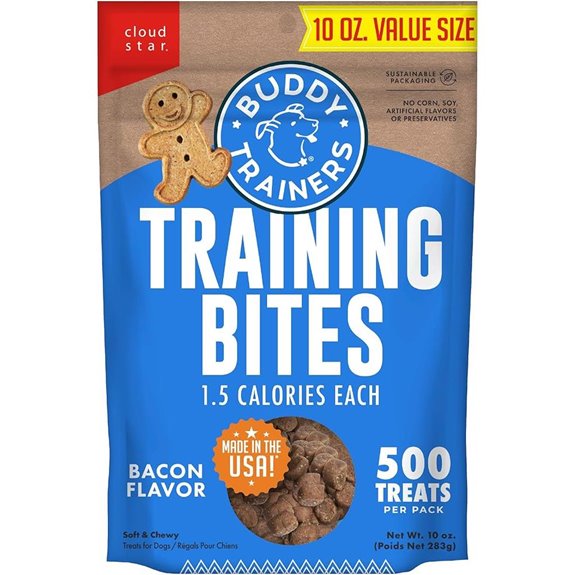
Buddy Biscuits Training Bites are a solid choice for training dogs of any size, thanks to their soft, chewy texture and bacon flavor. You’ll get a 10 oz pouch of soft, chewy treats designed for all breed sizes and life stages, ideal for training sessions. Each bite has about 1.5 calories and uses a natural pork liver base with no corn, soy, or artificial flavors. The package weighs 10.1 ounces with dimensions around 8.82 x 5.93 x 1.73 inches. Stored in a cool, dry area and resealed after opening, they stay fresh for practice and rewards. Customer reviews average 4.6 stars.
Wag Chicken Flavor Training Treats for Dogs
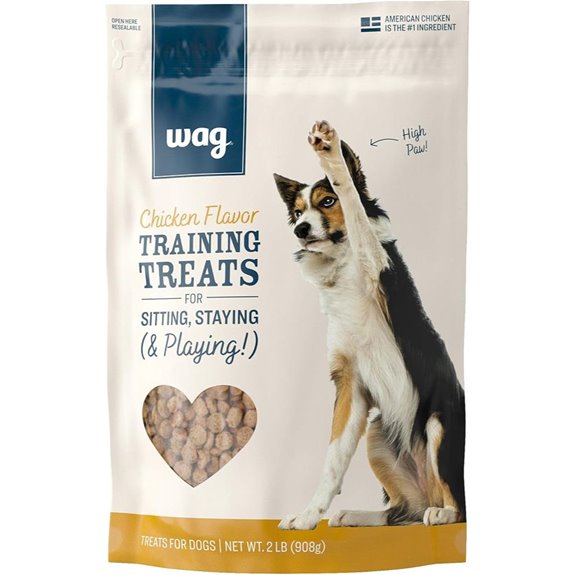
Wag Chicken Flavor Training Treats for Dogs are a solid choice for practical, bite-sized rewards during training. You get a 2 lb. (32 oz) bag in a resealable pouch, made by Amazon.com Services, LLC. The main ingredient is American chicken, with no added corn, soy, or wheat, and no artificial colors or flavors. These treats are suitable for all breed sizes and ideal for adult dogs as quick rewards. Store in a cool, dry place and keep them away from humans. Price varies, with options to report lower prices for competition, helping you track value during shopping.
Zuke`s Mini Naturals Dog Treat Peanut Butter 1lb
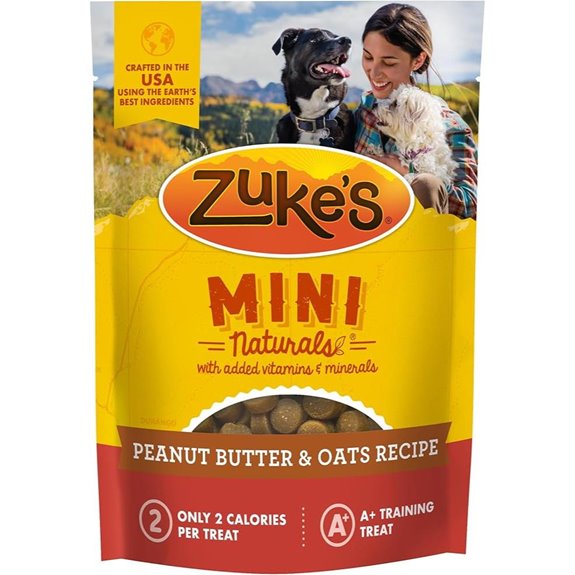
Zuke’s Mini Naturals Dog Treat Peanut Butter 1lb is a solid choice for training because it’s a small, calorie-conscious option that rewards without overfeeding. You get 2 calories per treat, with real peanut butter and cherries, and no corn, wheat, or soy, which helps keep feeding simple. These soft, chewy bites are great for all breeds and life stages, and they include added vitamins and minerals for overall health. Use them as training aids, keep a resealable pouch handy, and follow the 3 treats per pound guideline. They’re USA-made and come in a compact 1 lb bag.
Blue Buffalo Bits Salmon Training Treats (4 oz)
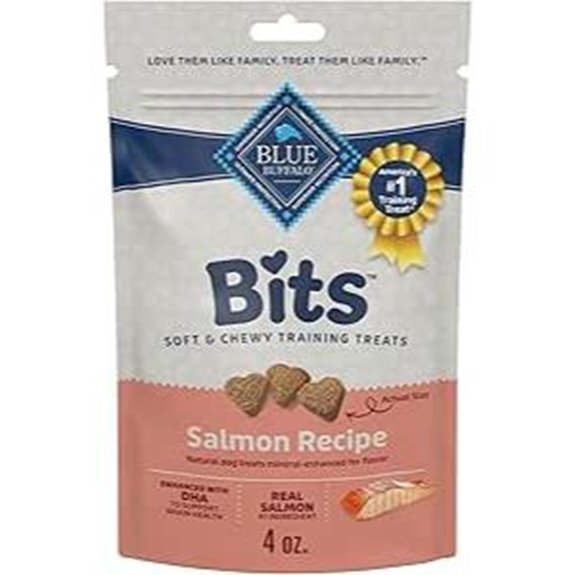
Blue Buffalo Bits Salmon Training Treats (4 oz) stand out for owners seeking a real-meat option that supports training without poultry by-products. You get real salmon as the first ingredient, plus DHA for brain development and Omega 3 and 6 for skin and coat health. This 4-oz bag is sized for frequent training sessions, with bite-sized pieces that are tender and tasty. It’s free from corn, wheat, soy, and artificial preservatives, and contains no chicken by-products. Ideal for dogs of all ages and sizes, it’s designed for intermittent or supplemental feeding and pairs well with consistent training plans. Overall, practical, dependable training fuel.
Pet Botanics Training Rewards Bacon Flavor Treats
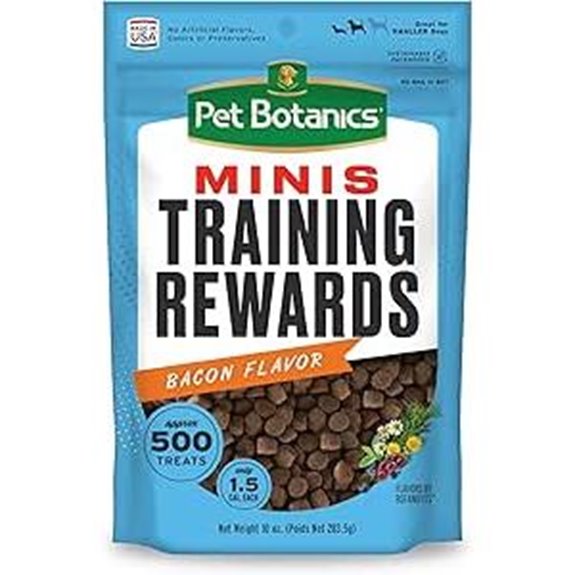
Pet Botanics Training Rewards Bacon Flavor Treats stand out for small-dog and training-focused use, thanks to their soft, chewy texture that’s easy for quick sessions and long practice runs. You get a 10 oz. pouch with about 500 treats per bag, designed for training and everyday rewarding. Each treat has 1.5 calories and uses pork liver and real bacon, with no artificial flavors, colors, or preservatives. The soft chew is ideal for smaller dogs and suitable for all breeds and life stages. Use them for training, enrichment, and daily rewards, and expect steady focus during sessions.
Blue Buffalo Bits Training Dog Treats with DHA
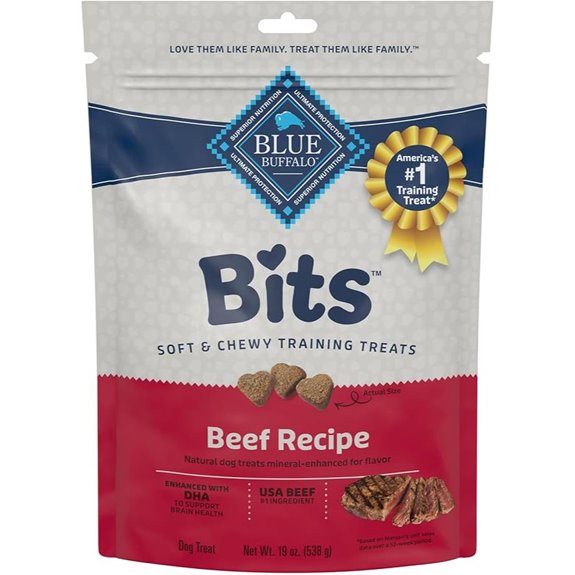
If you’re looking for a training treat that supports focus with real beef and DHA, this option stands out for dogs of all ages and sizes. Blue Buffalo Bits are soft, moist, bite-sized treats in a heart shape, designed for training rewards. The first ingredient is real beef, with DHA to support cognitive development, and they’re free from chicken by-product meals, corn, wheat, soy, and artificial preservatives or colors. Each 19-oz bag is easy to portion, suitable for puppies to seniors, and intended for intermittent or supplemental feeding. It’s marketed as America’s top training treat by Nielsen data.
Blue Buffalo Training Puppy Soft Chicken Treats (4 oz)
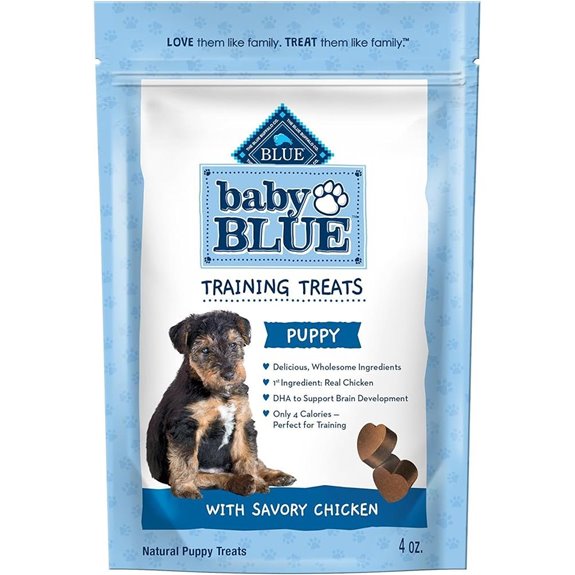
This 4 oz bag of Blue Buffalo Training Puppy Soft Chicken Treats is a solid pick for puppy training due to its real chicken first ingredient and soft, bite-sized morsels that are easy for small mouths to chew during quick reward sessions. You get tender pieces ideal for training, with DHA added to support cognitive development. They’re free of corn, wheat, soy, and artificial colors or preservatives, and there are no chicken by-products. Use them as intermittent or supplemental rewards, keep fresh water available, and note that the bag provides one 4-oz portion suitable for all breeds. Practical, reliable training support.
Factors to Consider When Choosing Training Treats
When you choose training treats, consider Palatability and Flavor, Ingredient Quality, and the Calorie Count per Treat to keep rewards tasty but healthy, with options that fit your dog’s or cat’s preferences. Look at Size for All Breeds to find treats that are easy to break for small mouths or quick rewards for bigger pets, and evaluate Training Effectiveness by noting how well the treat motivates and reinforces good behavior in real sessions. I’d suggest comparing brands on ingredient lists, portion sizes, and price per treat to balance quality, practicality, and budget.
Palatability and Flavor
Palatability and flavor are key when you pick training treats, since dogs respond best to options they find tasty, such as bacon or chicken. You should look for treats with a natural meat base, like pork liver or chicken, because they tend to have higher appeal due to aroma and taste. Soft, chewy textures help dogs swallow quickly during training, making sessions smoother. Choose low-calorie options, around 1.5 to 2 calories per treat, so you can reward more often without overfeeding. Favor treats free from artificial flavors and preservatives, as they’re often more palatable and healthier. In practice, test a few flavors to see which your dog accepts fastest, then stick with those reliable options.
Ingredient Quality
Look for treats where real meat is the first ingredient, since that signals high protein content and strong flavor appeal for dogs. When you pick treats, check the ingredient list for no artificial colors, flavors, or preservatives, because these additives can trigger allergies or digestive issues. Favor options made with natural ingredients and no fillers like corn, wheat, or soy, which are often less nutritious and can cause sensitivities. Look for added nutritional benefits such as vitamins, minerals, or omega fatty acids that support overall health and brain function. Also consider calories per treat, aiming for low-calorie options around 1.5 to 2 calories each to help control weight during training sessions.
Calorie Count per Treat
Calorie count per treat matters because it lets you reward often without overfeeding. When you shop, look for treats around 1.5 to 2 calories per piece, which supports frequent rewards without packing in excess calories. Balance the total treats with your dog’s or cat’s daily calories to keep weight steady. For small dogs, prioritize lower-calorie options since their stomachs and energy needs are smaller. Keep a daily tally, counting treats as part of the overall diet, not as a separate bonus. Monitoring intake helps training stay effective and health stays good. Choose brands that list per-piece calories clearly, and compare several options to find a consistent, dependable low-calorie choice. This approach supports steady progress and a healthier routine.
Size for All Breeds
When choosing training treats for all breeds, size matters because you want something that’s easy to chew and quick to swallow during sessions. Treats should be appropriately sized for the dog’s breed, small enough to be eaten fast without breaking focus. Smaller breeds benefit from mini-sized treats that are easier to chew and digest, while larger breeds may need slightly larger bites to satisfy chewing needs. Choose soft, chewy options, especially for older dogs or those with dental issues, to facilitate easy consumption. Consider calories per treat—1.5 to 2 calories lets you reward more often without overfeeding. Palatability matters, so look for treats that are tasty and enticing to motivate dogs of all sizes to engage and perform.
Training Effectiveness
Training effectiveness hinges on choosing treats that keep your dog or cat engaged without slowing training sessions. To stay motivated, pick highly palatable options with flavors dogs love, like bacon or chicken, so rewards feel instant. The size and texture matter: use small, soft, chewy treats that you can hand out quickly without breaking flow. Aim for low calories, about 1.5 to 2 per treat, to allow many rewards without overfeeding. Look for real meat as the main ingredient and avoid artificial additives to support healthier behavior. Nutritional benefits, such as DHA, can aid learning and retention, enhancing overall effectiveness. Consider a balance of taste, texture, and nutrition, and track progress to adjust rewards as needed for your training goals.
Allergens and Sensitivities
Are your training treats safe for dogs with allergies or sensitivities? When choosing, check for common allergens like corn, wheat, and soy, which can trigger sensitivities in some dogs. Many treats are formulated without artificial flavors, colors, or preservatives, making them a safer choice for dogs with food sensitivities. Ingredients like real meat or specific protein sources can help, but you must ensure your dog isn’t allergic to those proteins. Always read the ingredient list to identify potential allergens, especially if your dog has a known allergy history. Opting for treats with limited ingredients can minimize adverse reactions. Look for simple labels, clear allergen statements, and store options that fit your budget and feeding routine.
Storage and Freshness
Proper storage matters to keep training treats fresh and safe. You should store them in a cool, dry place to slow spoilage and preserve texture. Resealable packaging helps maintain freshness and protects treats from moisture that can make them soft or crumbly. If you prefer natural ingredients like real meats with no artificial preservatives, expect a shorter shelf life after opening and plan to use them within the recommended window. Always check for signs of spoilage, such as off smells or texture changes, and discard anything questionable. Regularly read the expiration date on packaging to ensure the treats are still usable for peak taste and safety. Keep your storage routine simple and consistent for best results.
Brand Trust and Safety
Brand trust and safety matter because you’re feeding treats to your pets, so you should look for brands with clear, reliable signals. You’ll see trusted brands earn high ratings from customers, showing reliability and satisfaction. Safety matters, so choose products with clean ingredients, no artificial additives or fillers. Look for real meat as the first ingredient and no by-products to boost credibility. Certifications and affiliations with recognized groups flag quality and safety standards, especially for training treats. Be aware that recalls or negative publicity can hurt a brand’s reputation, pushing you toward safer options. Check transparent sourcing and manufacturing details, plus clear ingredient lists and Nutrition Facts. Prioritize brands that publish test results and safety audits whenever possible.
Frequently Asked Questions
Are These Treats Safe for Puppies With Sensitive Stomachs?
Yes, these treats can be safe for puppies with sensitive stomachs, but check the ingredients first. Look for limited-ingredient formulas, simple proteins, and grain-free or easily digestible grains. Start with small pieces, monitor for 24–48 hours, and stop if you see vomiting, diarrhea, or gas. Choose products labeled for puppies or with a “gentle digestion” claim, and avoid artificial colors, sweeteners, and high fat. Consult your vet if symptoms persist or worsen.
Do These Treats Contain Potential Allergens Like Grains?
Yes, these treats can contain grains, like wheat, corn, or barley, which may trigger allergies in some pets. Always read the ingredient list and look for grain-free options if your dog or cat has sensitivities. Some products clearly label allergen information and offer limited-ingredient formulas. If you’re unsure, choose treats labeled “grain-free,” “hypoallergenic,” or “for sensitive stomachs,” and consult your veterinarian for a tailored option. Prices vary, check bags for exact costs.
How Many Treats per Day Are Recommended for Training?
You’ll typically use 5–10 treats per training session, adjusting to your dog’s or cat’s size and tolerance. For smaller pets, offer about 1–2 bite-sized treats, while larger animals can handle 2–4 per prompt; pause if they show disinterest. Choose treats under 5 kcal each when possible, and total daily intake should stay within 10–15% of daily calories. Track progress, reset if you notice overfeeding, and keep training sessions short and focused.
Are Any Flavors Toxic to Dogs or Cats?
Yes—some flavors can be toxic to dogs or cats. Never feed chocolate, xylitol, artificial sweeteners, grapes or raisin flavors, macadamia nuts, onions, garlic, or Alcohol-infused treats. Plain meat, peanut butter (xylitol-free), pumpkin, and rice-based flavors are usually safe in moderation. Always check labels for xylitol, salt content, and allergens. When in doubt, consult your vet, start with small amounts, and monitor for signs of distress after introducing any new flavor.
Can These Treats Be Used for Cat Training as Well?
Yes, you can use these treats for cat training too, with caveats. Choose flavors cats tolerate, check for L-lysine or fish options, and break treats into small, quick bits. Use positive reinforcement, keep sessions short, and pair treats with verbal praise. Keep portions modest, around 1–2 tiny pieces per session, and avoid hard chews that could pose a choking risk. Always monitor for allergies and adjust to your cat’s preferences and energy needs.
Wrapping It Up
You’ll want a clear, practical takeaway from these options. For dogs, consider flavor preferences like bacon, peanut butter, or chicken, and note bag sizes such as 1 lb or 4 oz, plus DHA benefits. For cats, look for soft textures and bite-sized pieces. Compare prices and ingredients to fit your budget and dental goals. If you value portability, choose smaller bags with readily identifiable flavors. Overall, select treats that align with training goals and pet tastes.